Wollmatten : Complete Guide to Wool Mats
Wollmatten are mats made from natural wool, people use them in homes gardens and buildings, they are soft warm and good for the environment, wool mats keep you warm in winter and cool in summer, they absorb sound and moisture and look beautiful in any space, this guide explains what wool mats are how they are made and why they are useful Woolrec
What Are Wool Mats
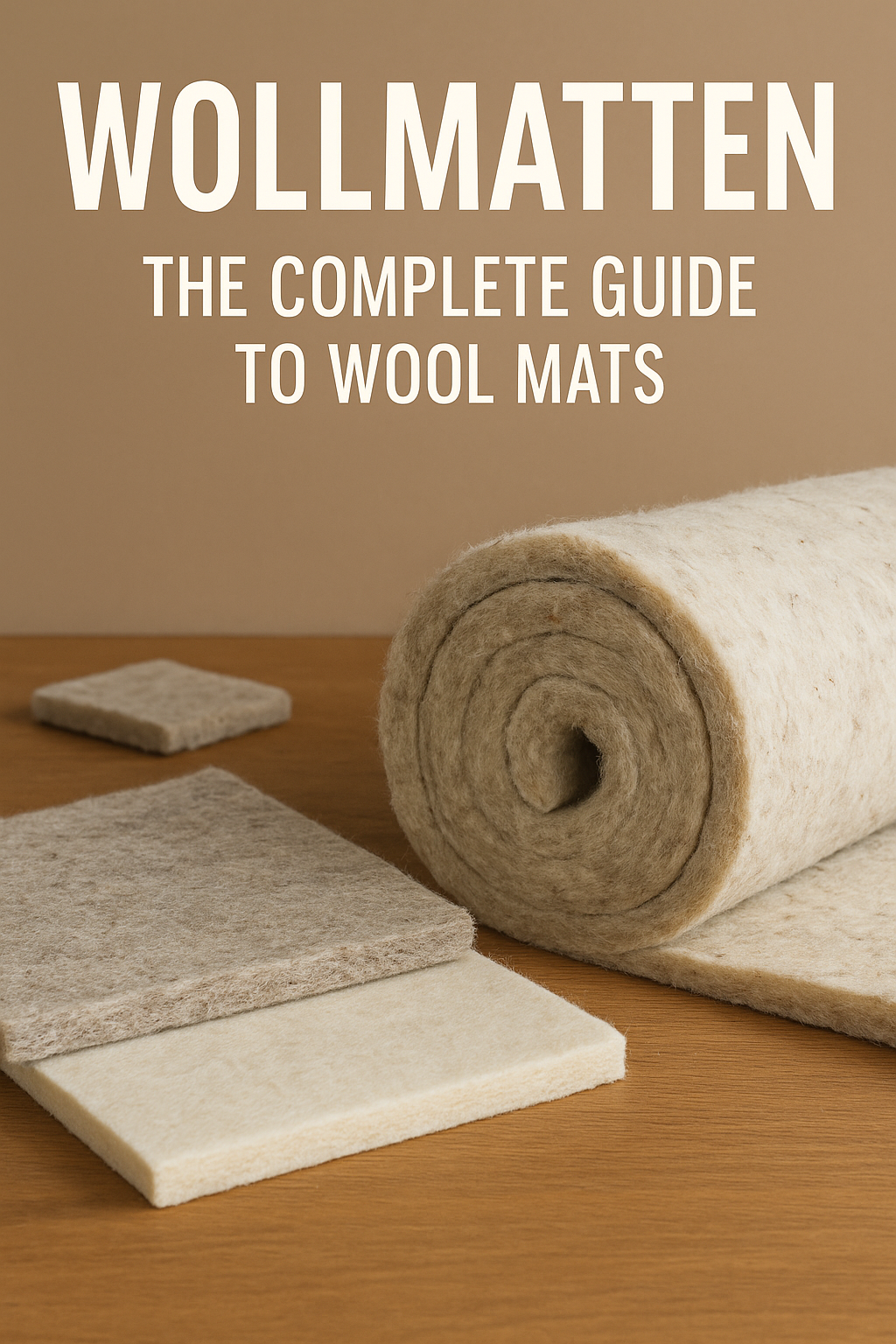
A wool mat is made from the hair of sheep, the wool is cleaned and pressed to make a flat and strong sheet, some mats are thin and soft while others are thick and heavy, wool mats can be found as rolls panels rugs or small pieces, they are used on floors in gardens and in crafts
Main Parts of a Wool Mat
| Part | Description |
|---|---|
| Wool fiber | The main natural material used for warmth and softness |
| Lanolin | The natural oil in wool that makes it water resistant |
| Backing | A layer under the mat that gives grip and strength |
| Dye | Simple color made from safe natural sources |
Key Qualities of Wool Mats
They keep heat inside during cold weather
They let air pass through and stay dry
They lower noise and make rooms quiet
They come from nature and are safe to use
They last a long time with proper care
They feel soft and cozy under your feet
Main Benefits
Warmth
Wool mats stop heat from escaping through floors or ground, they make cold rooms feel warm
Moisture Control
Wool can hold water without feeling wet, it helps rooms and plants stay balanced and dry
Noise Reduction
The fibers inside wool catch sound waves, this keeps homes calm and peaceful
Environment Friendly
Wool grows back every year, it breaks down naturally when old, it uses less energy to produce than plastic mats
Comfort
Wool mats are soft strong and beautiful, they make every space feel safe and natural
Common Uses
Inside Homes
Floor rugs and small mats
Yoga and meditation mats
Wall and ceiling sound covers
Soft layers under carpets
In Gardens
Wraps for plants in winter
Warm covers for soil beds
Ground covers to stop weeds
Pads for keeping pots warm
In Buildings
Thermal insulation inside walls and roofs
Sound insulation in rooms and halls
Natural material for green buildings
For Craft and Sewing
Wool mats for pressing clothes
Wool felt for decoration or design
Small pieces for school or art projects
Special Uses
Yoga studios and meditation spaces
Natural acoustic panels
Heat resistant mats in workshops
Design and Sizes
Thickness
| Type | Thickness | Use |
|---|---|---|
| Thin | 3 to 4 millimeters | Craft and small projects |
| Medium | 10 to 20 millimeters | Floor mats and yoga mats |
| Thick | 40 to 60 millimeters | Insulation and garden rolls |
Surface Finish
Plain wool with no extra layer
Latex base for grip on floors
Jute base for stronger support
Wax finish for water resistance
Colors
Natural colors like white beige or gray, some brands use safe plant based dyes for darker tones
Certifications
Oeko Tex means safe for humans and low in chemicals
GOTS means made from organic wool
CE means safe for building use
Installation and Care
How to Install
Use a clean and dry surface
Keep the mat flat and even
Seal sides if used for insulation
Keep away from direct sunlight
Cleaning
Vacuum one time each week
Clean small spots with soap and warm water
Let the mat dry in fresh air
Do not use hard chemicals
Long Term Care
Turn rugs every few months to avoid wear
Place pads under heavy items
Store mats rolled up not folded
Air them outside sometimes to stay fresh
Environmental Facts
Source of Wool
Good mats come from farms that treat animals with care, sheep are sheared one time a year, the wool grows back naturally
Making Process
| Step | Description |
|---|---|
| Cleaning | Wool is washed with gentle soap and low water use |
| Felting | Heat and pressure make a strong mat |
| Coloring | Simple low chemical dyes are used |
| Packing | Mats are packed in paper or cotton bags |
Reuse and Recycling
Old mats can be cut into smaller ones, they can be used again in gardens or walls, pure wool mats will break down in soil without harm
Limitations
Wool mats are not perfect. Some things to remember
They cost more than plastic mats
They can get damp if left in rain for long time
They must be cleaned with care
Some people may be sensitive to wool
Moths can damage wool if stored badly
They are not easy to find in some countries
New Ideas and Trends
Mixed Materials
Makers are now mixing wool with hemp or flax, this makes mats stronger and cheaper
Smart Mats
Some mats can change with temperature or sense moisture, they help control comfort in buildings
Better Backing
New mats use plant based glue instead of rubber, this makes the mat fully recyclable
Market Growth
Eco homes yoga lovers and gardeners are choosing natural mats, the demand for wool mats is growing fast in many countries
Buying Guide
Things to Check
Make sure it is real wool
Pick the right thickness for your use
Look for safe eco signs like Oeko Tex
Choose a mat that is made near your area
Ask about fire safety and cleaning tips
Read how long the mat will last
Ask if you can see a small sample first
Questions to Ask Seller
Where is the wool from
How is the mat made
Is it free from plastic or glue
How do I clean it
Can I get a custom size
What guarantee do you offer
Why Choose Wool Mats
Wool mats are warm safe and made from nature, they help you live in a clean and quiet space, they reduce the use of plastic and last for many years
You can use them
As rugs at home
For yoga or meditation
To protect plants in cold weather
Inside walls for insulation
In crafts or school projects
They are simple to care for and kind to the planet
Frequently Asked Questions
What are Wollmatten?
Wollmatten are mats made from natural wool, they keep places warm and dry, they are safe soft and good for homes gardens and buildings
What are Wollmatten used for?
Wool mats are used as rugs yoga mats wall covers and garden wraps, they are also used for insulation and craft projects
Are Wollmatten eco friendly?
Yes wool mats are natural and renewable, they break down safely in soil and do not harm the environment
How do I clean a Wollmatte?
You can vacuum it one time each week, for small stains use mild soap and warm water, let it dry in fresh air
Can I use Wollmatten outside?
Yes you can use them in gardens or patios, keep them dry and clean to make them last longer
How long do Wollmatten last?
Good quality wool mats can last for many years, regular cleaning and care help them stay strong and soft
Are Wollmatten safe for children and pets?
Yes wollmatten are safe and natural, they have no harsh chemicals and feel soft on the skin
Do Wollmatten help with sound?
Yes wool fibers absorb noise and make rooms quiet, they are often used in yoga studios and offices
What sizes do Wollmatten come in?
They come in many sizes and thickness levels, you can choose thin mats for craft and thick mats for floors or walls
Where can I buy Wollmatten?
You can buy wollmatten from home stores online shops and eco product sellers, look for certified natural wool mats for the best quality
Conclusion
Wollmatten bring nature into your home and work, they are warm in winter cool in summer and always comfortable, each wool mat helps reduce waste and energy use, it gives beauty and peace to any room, if you want a soft natural and long lasting mat choose wool, it will make your home and your life better every day